Remembrance Day, observed on the 11th of November, holds profound significance as a day to honor and remember the sacrifices made by military personnel in times of war. This solemn occasion, also known as Armistice Day or Poppy Day, commemorates the end of World War I in 1918. As we reflect on the historical context and the broader implications of Remembrance Day, it is essential to delve into its origins and explore the rituals that make this day a poignant reminder of the human cost of conflict.
The roots of Remembrance Day trace back to the Armistice signed on November 11, 1918, marking the cessation of hostilities on the Western Front during World War I. The eleventh hour of the eleventh day of the eleventh month became etched in history as a moment of silence, symbolizing the end of a devastating war that claimed millions of lives. This armistice laid the foundation for what would later evolve into a day of remembrance for all military personnel who sacrificed their lives in service to their countries.
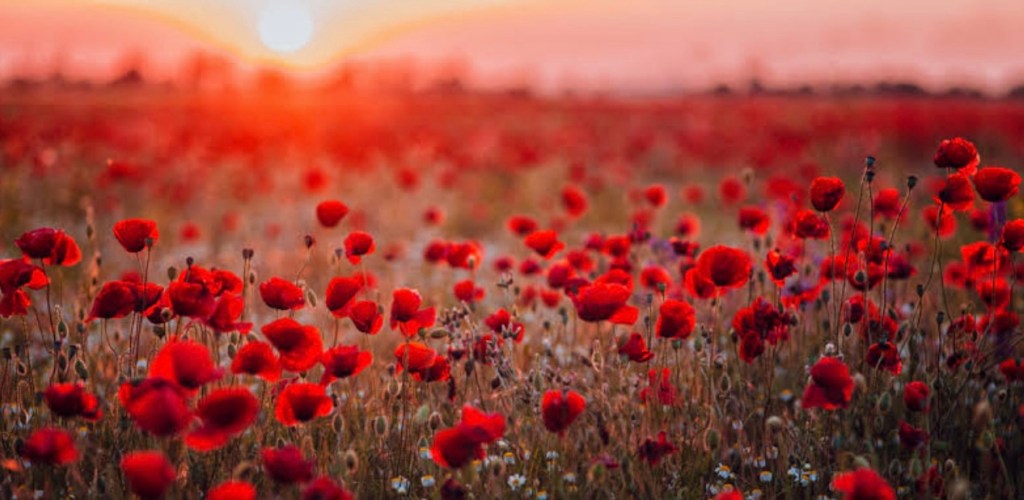
The red poppy flower, inspired by the famous war poem “In Flanders Fields” by Lieutenant Colonel John McCrae, has become an iconic symbol associated with Remembrance Day. The vivid red petals serve as a poignant reminder of the bloodshed on the battlefield, while the black center represents the mourning and loss endured by those left behind. Wearing a poppy has become a tradition in many countries, symbolizing solidarity with the fallen and expressing gratitude for the sacrifices made.
On Remembrance Day, ceremonies and events are held worldwide to honor the memory of those who served and to reflect on the enduring impact of war. Two minutes of silence are observed at 11 a.m., echoing the moment the armistice came into effect. This brief yet powerful pause allows individuals to collectively pay their respects and acknowledge the magnitude of the sacrifices made by soldiers across generations.
The act of remembrance extends beyond the eleventh hour, as people participate in various activities to commemorate the day. War memorials, adorned with wreaths and poppies, become focal points for communities to gather and pay tribute to their fallen heroes. Veterans, wearing their military decorations, stand alongside civilians, fostering a sense of unity in honoring the shared history of sacrifice.
The significance of Remembrance Day goes beyond remembering the past; it serves as a reminder of the ongoing need for peace and understanding in the world. As conflicts persist, the lessons learned from history become crucial in shaping a future that values diplomacy over warfare. Through remembrance, societies can strive for a world where the devastating impact of war is minimized, and the collective pursuit of peace takes precedence.
Educating younger generations about the importance of Remembrance Day ensures that the sacrifices of the past are not forgotten. Schools and communities often engage in activities that teach the historical context of the day, instilling a sense of gratitude and responsibility in the younger population. Understanding the human stories behind the statistics of war cultivates empathy and reinforces the commitment to building a more peaceful world.
In recent years, the scope of remembrance has expanded to include not only military personnel but also civilian victims of conflict. The broader perspective recognizes the collateral damage and the profound impact of war on communities and families. Remembrance Day becomes a platform to acknowledge the resilience of those who endured the hardships of war on the home front.
In conclusion, Remembrance Day stands as a solemn tribute to the men and women who gave their lives in service to their countries. It is a day to reflect on the cost of war, to honor the bravery of those who served, and to strive for a future where peace prevails. As the red poppy serves as a symbol of hope rising from the fields of conflict, Remembrance Day reminds us that amidst the solemnity, there is a collective responsibility to build a world where the sacrifices of the past pave the way for a more peaceful and harmonious future.
 The Veteran Counsellor Blog