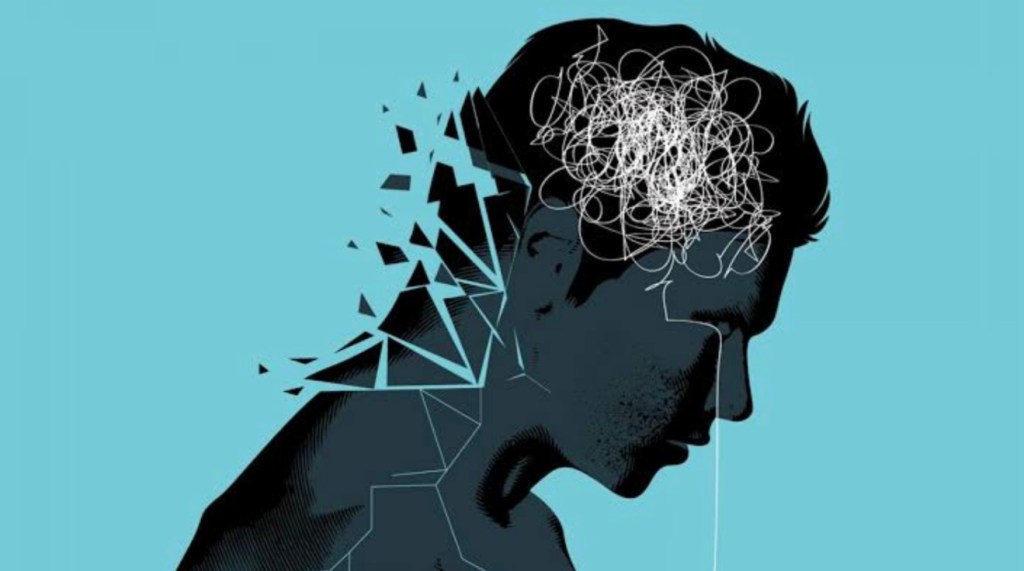
The fact that 54% of people with mental illness do not seek help is a complex issue rooted in a combination of societal, cultural, and individual factors. Understanding these reasons is crucial for developing effective strategies to increase mental health care utilization.
Stigma remains a formidable barrier to seeking help for mental health issues. Despite progress in raising awareness, societal attitudes toward mental illness often perpetuate negative stereotypes. People may fear judgment, discrimination, or social isolation if they disclose their struggles. This fear can lead to a reluctance to discuss mental health concerns openly, let alone seek professional assistance.
A lack of mental health literacy contributes to the underutilization of services. Many individuals may not recognize the signs and symptoms of mental health conditions, or they may attribute them to personal shortcomings rather than treatable disorders. Education campaigns can help dispel misconceptions and encourage early intervention by fostering a better understanding of mental health issues.
Access to mental health services remains a critical factor. Financial constraints, inadequate insurance coverage, and limited availability of mental health professionals can create significant barriers to accessing care. In some regions, there is a shortage of mental health facilities and professionals, exacerbating the challenge of receiving timely and appropriate treatment.
Cultural factors also play a role in shaping attitudes toward mental health. Cultural norms and beliefs about mental illness vary, influencing whether individuals feel comfortable seeking help. In some cultures, mental health problems may be stigmatized or misunderstood, further deterring individuals from reaching out for support.
The nature of mental health itself can impede help-seeking behavior. Conditions such as depression or anxiety can affect motivation, making it difficult for individuals to initiate the process of seeking assistance. The very symptoms of mental illness, such as withdrawal or avoidance, may hinder individuals from reaching out to others or seeking professional help.
Fear of the unknown can be a powerful deterrent. Many people may feel uncertain about what to expect from mental health services, leading to apprehension and avoidance. Demystifying the therapeutic process and creating a more welcoming and accessible environment can help alleviate these concerns.
Personal beliefs and attitudes toward self-reliance can also influence help-seeking behavior. Individuals may perceive seeking help as a sign of weakness or a failure to cope independently. Encouraging a shift in perspective that emphasizes strength in seeking support and acknowledging the courage it takes to address mental health challenges is essential.
In summary, the reasons behind the 54% of people with mental illness not seeking help are multifaceted. Addressing this issue requires a comprehensive approach that involves reducing stigma, improving mental health literacy, increasing access to services, considering cultural factors, and fostering a supportive environment that encourages individuals to prioritize their mental well-being. Through these efforts, we can work towards a society where seeking help for mental health concerns is widely accepted, accessible, and normalized.