Introduction
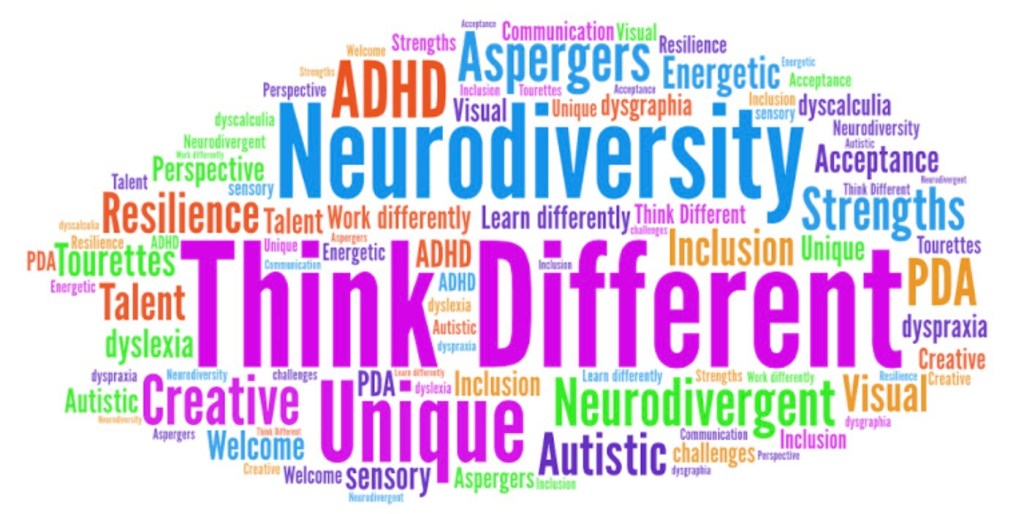
The conversation around diversity has expanded in recent years beyond gender, culture, and ethnicity to include neurodiversity—a recognition that brains function in many different, equally valuable ways. The term, coined in the late 1990s by sociologist Judy Singer, refers to the natural variation in human neurology. Conditions such as autism spectrum disorder (ASD), attention deficit hyperactivity disorder (ADHD), dyslexia, dyspraxia, Tourette syndrome, and other cognitive differences are not deficits to be “fixed,” but unique ways of experiencing and interacting with the world.
As society grows more inclusive, it becomes essential to understand how neurodiverse individuals navigate education, employment, and community life. Schools, workplaces, and universities serve as critical environments where success is often determined by how well an individual is supported. Research consistently shows that neurodiverse people can thrive when reasonable adjustments—tailored supports and flexible approaches—are put in place. Knowledge truly is power, and it empowers educators, employers, and peers to create spaces where all individuals can flourish.
This blog will explore what neurodiversity means, how diagnosis plays a role in support, and why reasonable adjustments are essential in schools, workplaces, and universities.
Understanding Neurodiversity and Diagnosis
Neurodiversity challenges the traditional medical model that views neurological conditions solely as deficits or disorders. Instead, it aligns with the social model of disability, which highlights that barriers often come from the environment rather than the individual. For example, a student with dyslexia may struggle with traditional reading-based assessments, but with text-to-speech software and alternative assessment formats, they can demonstrate equal intelligence and creativity.
Prevalence and Statistics
Around 15–20% of the global population is estimated to be neurodivergent (Doyle, 2020). In Australia, about 1 in 70 people are diagnosed with autism (Autism CRC, 2022). ADHD affects an estimated 5–7% of school-aged children and persists into adulthood in around 65% of cases (Australian ADHD Professionals Association, 2022). Dyslexia affects approximately 10% of the population, making it one of the most common learning differences (Yale Center for Dyslexia and Creativity, 2023).
Diagnosis plays an important role in opening pathways to formal support, but it can also be a double-edged sword. On one hand, diagnosis helps individuals access accommodations, funding (such as the NDIS in Australia), and community understanding. On the other, stigma and misperceptions may discourage families or individuals from seeking assessment. Importantly, whether or not someone has a formal diagnosis, schools and workplaces have a duty of care to provide support where needs are identified.
Neurodiversity in Schools
Schools are often the first major environment where differences in learning styles and behaviour are noticed. For neurodiverse children, the classroom can be both a place of opportunity and a site of exclusion if supports are not present.
Challenges Faced by Students
Traditional education systems are designed around neurotypical norms, often disadvantaging students who think and learn differently. Children with ADHD may be labelled as “disruptive” when their behaviours are linked to difficulties with attention and self-regulation. Students with autism may face social exclusion or sensory overwhelm in classrooms that are noisy and unpredictable. Dyslexic students may be unfairly seen as “lazy” or “behind” when their intelligence does not align with their reading ability.
Evidence-Based Approaches
Research shows that inclusive teaching practices benefit not just neurodiverse students but the entire classroom. Strategies include:
Universal Design for Learning (UDL): Offering multiple means of engagement (e.g., visual, auditory, and kinesthetic methods). Assistive Technology: Tools such as speech-to-text software, audiobooks, and visual planners. Sensory-friendly classrooms: Reducing fluorescent lighting, offering quiet zones, and allowing movement breaks. Peer education programs: Promoting empathy and understanding among classmates.
According to the Australian Institute of Health and Welfare (2023), students with additional learning needs who receive tailored support show significantly higher retention and completion rates, demonstrating the effectiveness of inclusive practices.
Neurodiversity in Universities
Universities are unique in that students are expected to navigate independent learning, manage deadlines, and advocate for themselves. For neurodiverse students, these expectations can create both opportunity and pressure.
Barriers in Higher Education
Lecture-heavy teaching styles may disadvantage students with ADHD or dyslexia. Sensory overload in large lecture theatres or noisy student spaces can be overwhelming for autistic students. Complex administrative systems can create hurdles when applying for disability support services.
The Importance of Reasonable Adjustments
Universities in Australia and globally are legally required to provide reasonable adjustments under anti-discrimination legislation. Examples include:
Alternative exam formats (e.g., oral exams, extended time, quiet rooms). Lecture recordings and note-taking support. Flexibility with deadlines where executive function difficulties are present. Access to assistive technologies and counselling services.
A 2021 study by the UK Office for Students found that only 56% of autistic students completed their degrees, compared to 81% of non-disabled peers. However, when comprehensive support systems were implemented, retention and graduation rates improved dramatically.
By embracing adjustments, universities can ensure they are not just places of academic growth but also environments that foster personal resilience and belonging.
Neurodiversity in Workplaces
Workplaces are where neurodiverse individuals often face the starkest barriers but also where the potential for transformation is greatest. Employers increasingly recognise the value of neurodiversity in driving innovation and creativity.
Strengths of Neurodiverse Employees
Autistic individuals often bring strong attention to detail, pattern recognition, and reliability. People with ADHD may excel in fast-paced, creative, and problem-solving roles. Dyslexic thinkers frequently demonstrate strong visual-spatial reasoning and entrepreneurial skills.
A study by Deloitte (2020) found that neurodiverse teams can be 30% more productive when well-managed, and companies with inclusive cultures are twice as likely to meet or exceed financial targets.
Workplace Adjustments
Reasonable adjustments are often low-cost but high-impact:
Flexible work hours or remote options for employees with sensory or executive function challenges. Clear, structured communication and expectations. Noise-cancelling headphones or quiet workspaces. Written as well as verbal instructions. Recruitment processes that focus on skills rather than rigid interview formats.
Global leaders like Microsoft, SAP, and EY have implemented neurodiversity hiring initiatives, reporting not only increased innovation but also improvements in workplace culture for all staff.
Why Reasonable Adjustments Matter
At the heart of thriving schools, workplaces, and universities is the principle of equity over equality. Equality means everyone is given the same resources; equity means individuals receive what they need to succeed. Reasonable adjustments recognise that without flexibility, systemic barriers will continue to disadvantage neurodiverse individuals.
Legal and Ethical Imperatives
In Australia, the Disability Discrimination Act 1992 and similar legislation worldwide mandate that organisations must provide reasonable adjustments unless doing so causes undue hardship. But beyond compliance, embracing neurodiversity is about valuing human potential.
Social Impact
When neurodiverse individuals are excluded, society loses valuable contributions. Conversely, when supported, neurodiverse people often excel and inspire others. The ripple effect includes:
Increased innovation and problem-solving capacity. Reduced unemployment and economic inequality. Enhanced community empathy and resilience.
Conclusion
Neurodiversity is not a trend—it is a reality of human variation. Schools, workplaces, and universities must move beyond token gestures toward meaningful inclusion. Diagnosis provides pathways to support, but it is the reasonable adjustments within systems that make the difference between exclusion and success.
The evidence is clear: when neurodiverse individuals are empowered, society as a whole benefits. From classrooms to boardrooms, knowledge is power. The more we understand neurodiversity, the more equipped we become to create inclusive environments where every individual has the chance to thrive.
By investing in education, policy, and culture change, we can dismantle barriers and build futures that are not just accessible, but actively celebratory of difference. After all, diversity in thought is as valuable as diversity in culture—it fuels the creativity, empathy, and resilience that the modern world so desperately needs.
 The Veteran Counsellor Blog