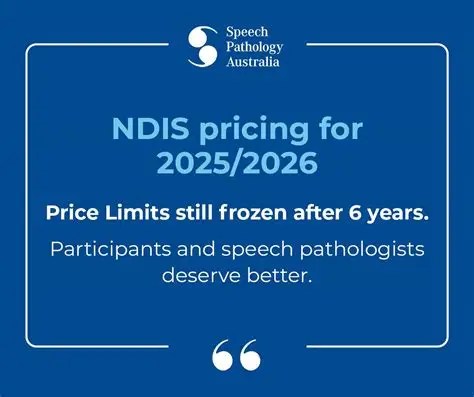
As a proud Allied health NDIS provider, we are beyond angry and upset with the new NDIS pricing for 2025/26. It is so important that as professionals we advocate strongly and swiftly before participants are significant disadvantaged in an already struggling economy.
Recently founder and director of Expressive Mind Therapy, Kellie Darvill, wrote a passionate plea to the federal MPs in our region explaining how dire straits these recent announcements and changes to pricing under NDIS will be to those most vulnerable, especially in remote, rural and regional areas such as the communities we serve. The below letter is one filled with evidence, research and goes to the heart of the issue that participants will face.
“PO Box 6022
House of Representatives
Parliament House Canberra ACT 2600
Dear Ministers,
My name is Kellie Darvill, and I am the Director and Principal Clinician of Expressive Mind Therapy, a multidisciplinary Allied Health practice delivering NDIS-funded behaviour support, speech pathology, and social work services to individuals across regional New South Wales.
I am writing to raise critical concerns regarding the 2025–26 Annual Pricing Review (APR) decision—particularly the drastic reduction in travel allocations and the ongoing freeze in Allied Health hourly rates, which are having an immediate and severe impact on both service providers and participants, particularly in regional and remote communities.
Regional Participants Are Being Left Behind
Participants living in rural and remote areas already face significant barriers in accessing essential healthcare services. Many of the individuals we support experience complex disabilities such as Fetal Alcohol Spectrum Disorder (FASD), Disruptive Mood Dysregulation Disorder (DMDD), intellectual disabilities, Autism, and critically, Motor Neurone Disease (MND).
Let me be clear—these are not participants who can “travel to the clinic” or “wait for telehealth availability.” These are individuals with limited mobility, communication challenges, and often life-limiting or progressive conditions. Many rely on in-home services for functional assessments, swallowing evaluations, and behaviour support that are only valid and ethical when delivered in their natural environment.
For example, one of our clients with MND is in the rapid stages of disease progression. He requires regular, in-person mealtime management reviews, swallowing assessments, and voice therapy to preserve communication for as long as possible. Due to the recent travel rate cuts, we are now unable to sustain these visits, placing his safety, dignity, and quality of life at serious risk. Telehealth is not an appropriate substitute in this context.
This Is Not Person-Centred Care
Best-practice speech pathology and behaviour support—especially for participants with dysphagia, high sensory needs, or co-regulatory challenges—must be provided in the environment where the client lives and functions. The new travel funding caps erode person-centred care and directly contradict the NDIS’s stated commitment to choice and control.
Participants with conditions like MND, severe autism, intellectual disability, or trauma-based presentations are now being told that the only viable option is telehealth. How is this equitable? How is this ethical?
The Provider Impact: Unsustainable and Disheartening
Expressive Mind Therapy is one of the few remaining multidisciplinary providers willing to travel to isolated regions to deliver essential services. Like many small providers, we operate on thin margins. We:
- Absorb rising fuel, vehicle, and compliance costs
- Provide unpaid time for collaboration and coordination
- Train junior clinicians and support students
- Accept complex referrals that larger providers often reject
With the current pricing model, we are now forced to reconsider our ability to continue offering regional outreach, and some clinicians are contemplating leaving the sector altogether.
The reality is stark:
- Travel rate cut by 50%
- Allied Health hourly rate frozen for 6 years
- No indexing for inflation or fuel
- Increased regulatory and administrative costs
- We fear that more providers will withdraw from NDIS work, and that others will collapse entirely, leaving entire towns without access to essential supports. The burden will fall squarely on a public health system already drowning under waitlists and workforce shortages.
A Call for Urgent Action
We respectfully call on the Federal Government to immediately reconsider the 2025–26 pricing decisions and work collaboratively with providers to ensure the NDIS remains accessible, sustainable, and fair for all Australians—regardless of postcode.
We ask you to:
- Restore adequate travel funding for regional and outreach services
- Apply CPI increases to Allied Health rates that reflect real business costs
- Ensure flexibility and funding to deliver in-person, functional assessments as best practice
- Engage in meaningful dialogue with small and rural providers
Without action, we will see the most vulnerable participants—those with MND, dysphagia, behavioural complexities, and limited mobility—further isolated, underserved, and at real risk of harm.
No providers = no supports = no outcomes.
Thank you for your continued commitment to the disability community. I would welcome the opportunity to speak further about the lived experiences of regional participants and the daily realities of small NDIS providers.
Sincerely,
Kellie Darvill“
 The Veteran Counsellor Blog