By Nathan Darvill
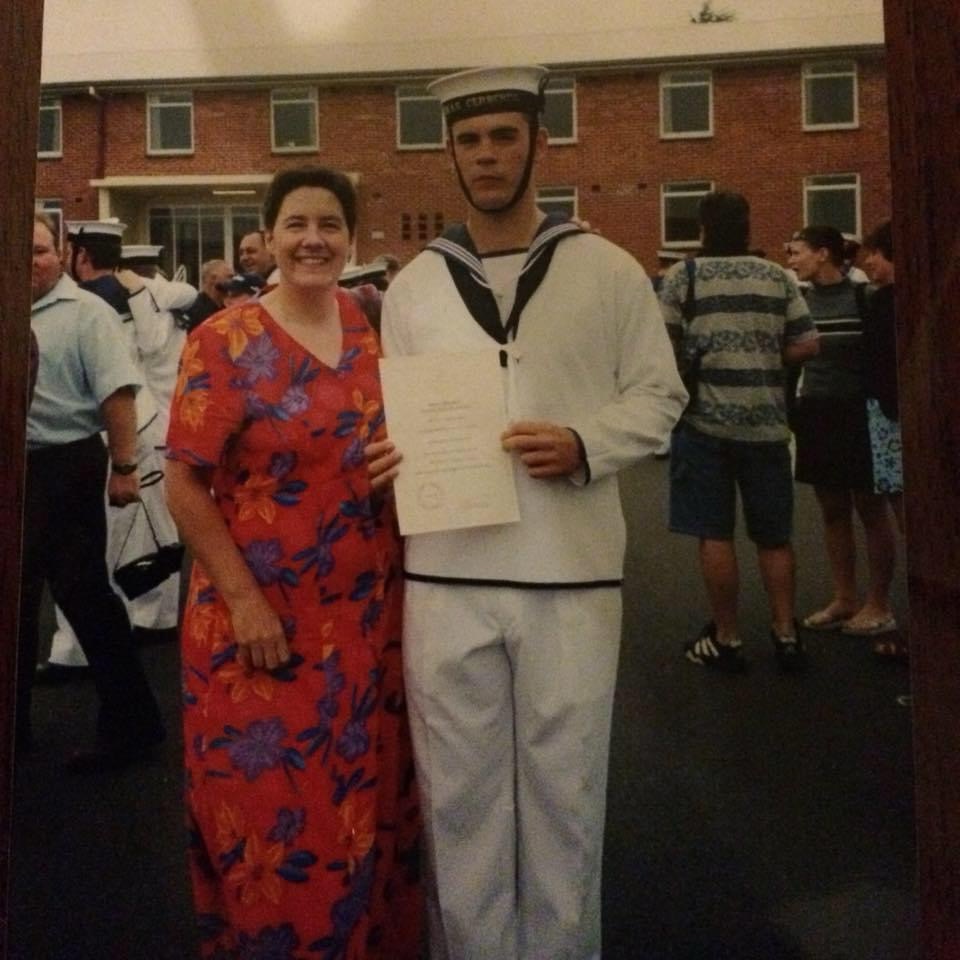
As ANZAC Day approaches, I find myself reflecting—not just on my own journey in the Royal Australian Navy, but on the enduring legacy of all who have served, are serving, and those who paid the ultimate price for our freedom. For me, ANZAC Day isn’t just a date on the calendar. It’s deeply personal. It’s a time of reflection, of remembrance, and of immense pride.
I served for 20 years in the Royal Australian Navy, a career that shaped me in ways I’m still unpacking today. It was a life of discipline, sacrifice, camaraderie, and often, challenge. I deployed multiple times, serving on operations that tested not only my skills and resilience, but my mental fortitude. Some of those deployments were in conflict zones, far from home and family, in situations that demanded every ounce of strength—physically, mentally, and emotionally.
Military service is not just about wearing a uniform or following orders—it’s about stepping into a life of purpose. It’s knowing that what you do each day contributes to something bigger than yourself. For me, the Navy offered structure, identity, and a sense of belonging. It became my way of life.
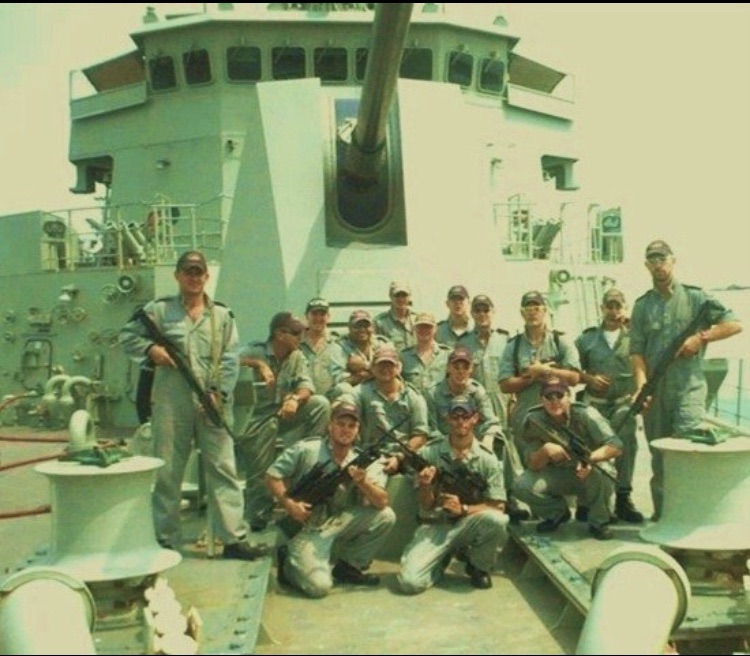
But behind the medals, the discipline, and the pride in service, there’s also a quieter story—one that many veterans share. A story of invisible wounds. After two decades of service, I was medically discharged due to mental health issues that emerged from the toll of my operational deployments. That transition out of the military was not an easy one. In fact, it was one of the hardest chapters of my life.
Leaving the Defence Force meant leaving a part of myself behind. The routine, the community, the pride of representing our country—all of it suddenly gone. And what replaced it, at first, was silence. Uncertainty. A sense of being untethered in a civilian world that often didn’t understand what I’d lived through.
But like many veterans, I found strength in that vulnerability. I found purpose again—this time, in helping others. Today, I co-direct an allied health and counselling business based on the South Coast of New South Wales. We support individuals living with trauma, addiction, psychosocial disability, and mental health challenges. Many of our clients are veterans, first responders, and people whose lives have been shaped by hardship. And in every session, every connection, I’m reminded that healing is possible—and that service continues, just in a different form.
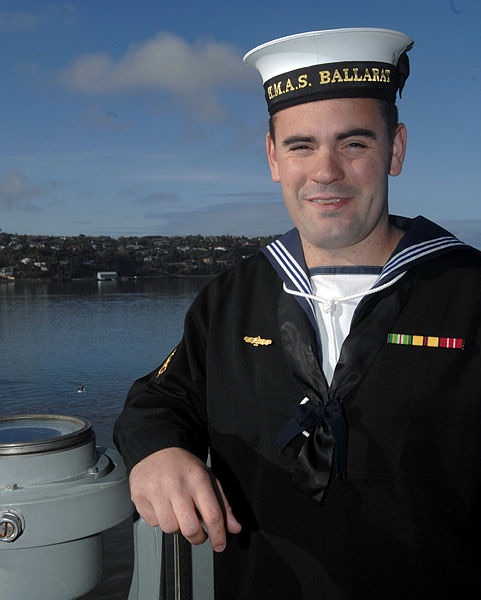
That’s why ANZAC Day matters so much to me.
ANZAC Day is not just about Gallipoli, although that battle remains etched in our national identity. It’s about remembering all Australians and New Zealanders who served and died in all wars, conflicts, and peacekeeping operations. It’s about acknowledging the courage, endurance, and mateship that define our Defence community. But more than anything—it’s about remembrance.
When I stand in silence on ANZAC Day, I’m thinking of mates I served alongside. I’m thinking of those who didn’t come home, and those who did but carry burdens that few will ever see. I think of the families—the ones who waited, who worried, and who grieved. I think of the young faces I saw on deployment, faces filled with courage, doing extraordinary things in the most testing environments. I think of what it means to serve.
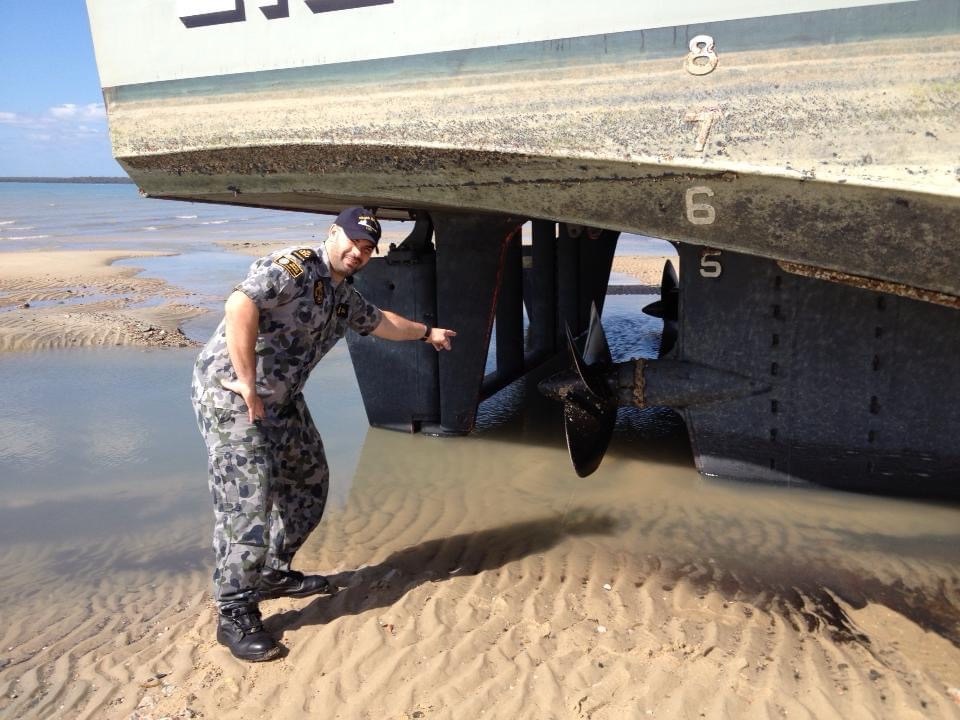
And I also think of what it means to continue serving, even after the uniform is folded away.
I’ve learned that ANZAC Day isn’t only about honouring the past—it’s also about the present. It’s about making sure the stories of our veterans are heard, that our sacrifices are acknowledged, and that our wellbeing is prioritised long after the parades end. It’s about education, community, and legacy.
Each year, I speak to younger generations about my time in the Navy. I share stories—not of heroism, but of humanity. Stories of teamwork, hardship, laughter, loss, and survival. Because these stories matter. They connect us. They ensure that the spirit of the ANZACs lives on—not only in ceremony but in action.
This ANZAC Day, as I share these words and accompanying images from my time in service, I do so with immense gratitude. Gratitude for the men and women I served beside. Gratitude for the strength that saw me through the darkest of times. And gratitude for the opportunity to use my experience to support others today.
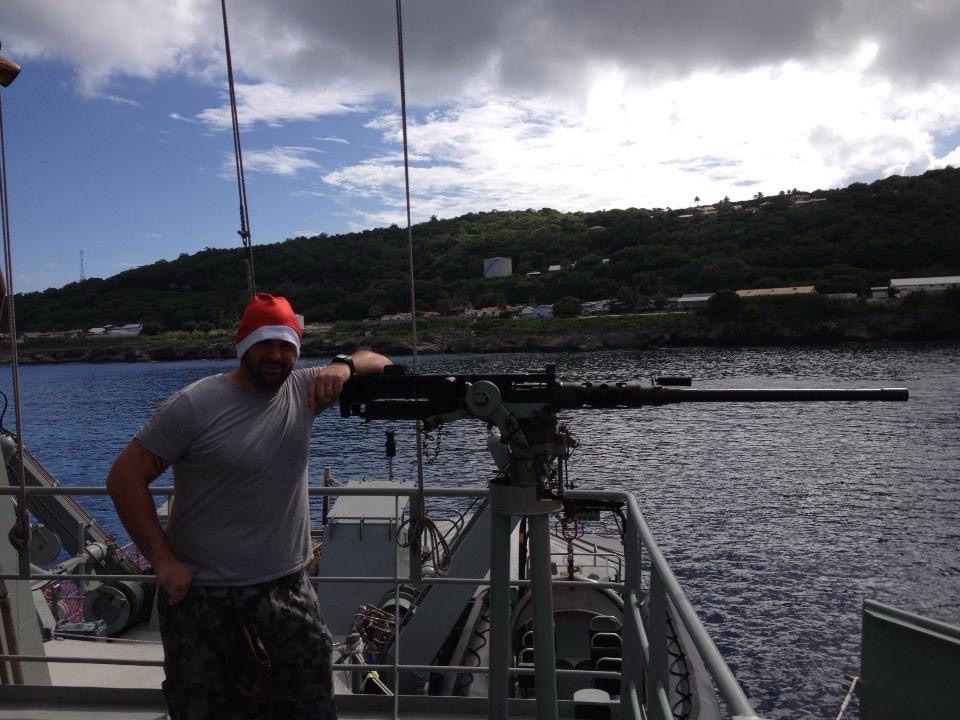
To me, ANZAC Day is about honouring all forms of service—on the battlefield, in peacekeeping missions, on home soil, and now, in the counselling rooms where I meet fellow veterans who are trying to rebuild their lives.
It’s about standing shoulder to shoulder with others who’ve walked a similar path and saying: “I see you. I understand. And you’re not alone.”
For those of us who have worn the uniform, ANZAC Day is a complex and emotional time. But it is also a source of pride. A reminder that no matter the cost, we stood up for something. And we still do.
So as the bugle sounds and the Last Post echoes into the morning sky, I’ll be standing there with my community, wearing my medals, remembering not only the battles fought overseas, but the personal ones many of us still carry. And I’ll do so with reverence, respect, and hope—for a future where veterans are honoured not just in April, but every day of the year.
Lest we forget.
 The Veteran Counsellor Blog