Introduction
In rural Australia, the tapestry of daily life is woven with unique experiences that shape the way individuals perceive the world around them. The vast landscapes, close-knit communities, and sometimes harsh realities of rural living create a distinct environment where lived experiences play a crucial role in shaping personal and collective understanding. Representation and understanding of these experiences are vital in addressing the specific challenges faced by rural Australians. This blog explores the power of lived experience in these areas, highlighting how individual choices, human experiences, and the local environment influence one’s perception of knowledge.
The Significance of Lived Experience in Rural Australia
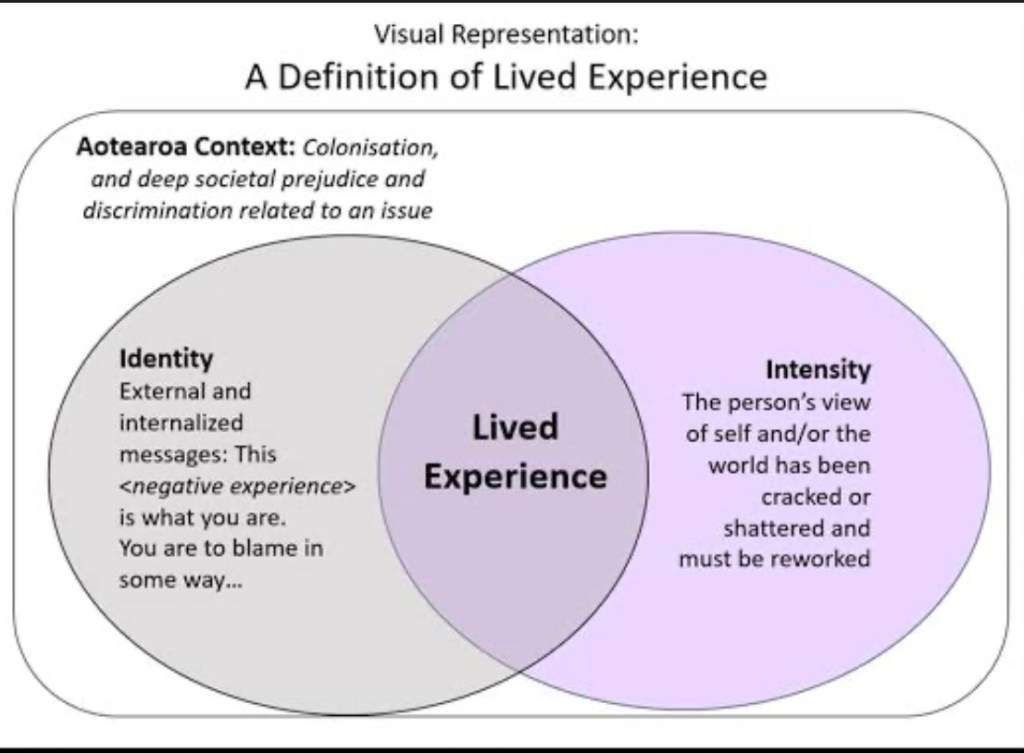
Lived experience, in the context of rural Australia, encompasses the myriad of personal and communal encounters that define life in these regions. It is through these experiences that individuals develop a unique understanding of the world, one that is often shaped by the challenges of isolation, limited access to services, and the resilience required to thrive in such environments.
The Impact of Isolation
One of the defining characteristics of rural life in Australia is isolation. According to the Australian Institute of Health and Welfare, approximately 28% of the Australian population lives in rural and remote areas, where access to essential services, including healthcare, education, and social support, is often limited. This isolation can lead to a heightened sense of self-reliance, where individuals must navigate life with fewer resources and support systems. The lived experience of isolation profoundly impacts one’s worldview, shaping decisions, coping mechanisms, and overall mental and physical health.
Resilience and Adaptability
Rural Australians are known for their resilience and adaptability. The harsh realities of living in remote areas—whether it be dealing with natural disasters, economic downturns, or social challenges—demand a level of toughness and ingenuity that is often less required in urban settings. Lived experiences in these regions foster a deep sense of community and a shared understanding of the importance of supporting one another. This communal resilience, born from lived experience, is a critical component in the broader narrative of rural life in Australia.
Representation and Understanding
Representation and understanding of an individual’s human experiences are crucial in addressing the challenges faced by rural Australians. It is not enough to simply provide services or policies aimed at these communities without fully grasping the lived realities of those who reside there. Representation involves acknowledging the unique perspectives that come from living in rural areas and incorporating them into decision-making processes at all levels.
For example, mental health services tailored to the needs of rural populations must consider the specific challenges of isolation, stigma, and limited access to care. According to Beyond Blue, suicide rates in remote areas are significantly higher than in urban centers, highlighting the need for services that are not only accessible but also deeply informed by the lived experiences of rural residents.
Conclusion
The power of lived experience in rural Australia cannot be overstated. It shapes individual perceptions, informs community resilience, and must be represented and understood in all efforts to address the unique challenges faced by these communities. By valuing and integrating the lived experiences of rural Australians into policies, services, and broader societal understanding, we can create a more inclusive and supportive environment that truly meets the needs of these resilient and resourceful communities.
 The Veteran Counsellor Blog