Introduction:
In the cacophony of modern living, finding solace within the confines of our own minds can feel like a distant fantasy. For many, the incessant chatter of an overactive brain refuses to grant respite, leaving a trail of heightened stress, anxiety, and cognitive fatigue in its wake. But what exactly constitutes an overactive brain, and how can one effectively manage its relentless onslaught? This comprehensive exploration delves into the nuanced definitions, evidence-based research, and an array of coping mechanisms designed to reclaim tranquility amidst the chaos.
Understanding the Dynamics of an Overactive Brain
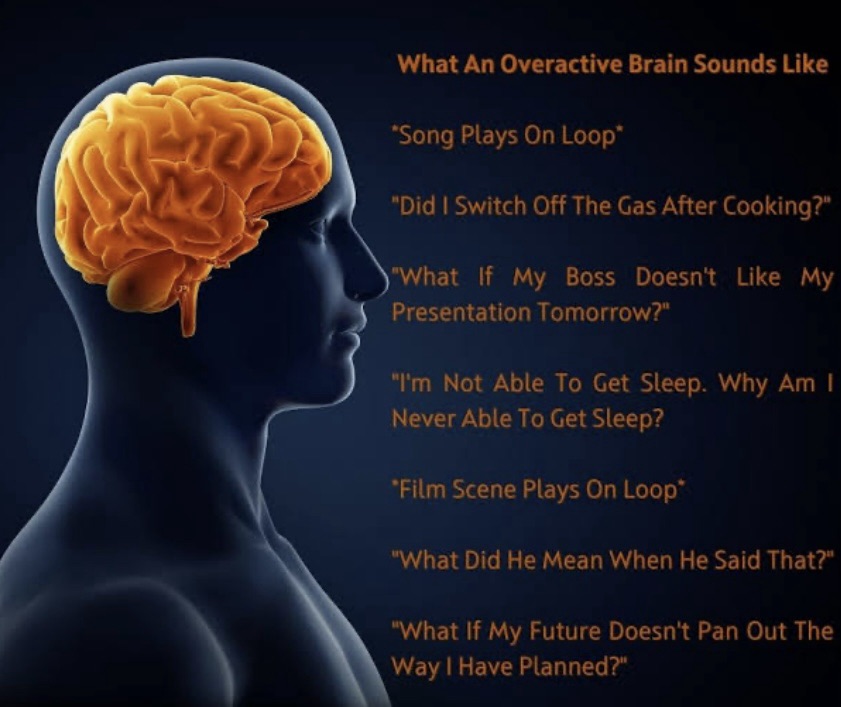
• Definition: An overactive brain manifests as a state of perpetual mental activity, characterized by incessant thoughts, worries, and internal dialogue that impedes relaxation and disrupts sleep patterns.
• Neurobiological Insights: Research reveals heightened activity in key brain regions such as the amygdala, responsible for processing emotions, and the prefrontal cortex, involved in decision-making and self-regulation. This hyperactivity perpetuates a cycle of heightened arousal and vigilance, exacerbating symptoms of stress and anxiety.
• Individual Variability: It’s important to acknowledge that the experience of an overactive brain varies among individuals, influenced by genetic predispositions, environmental stressors, and underlying mental health conditions.
Unraveling the Impact on Mental Health
• Heightened Stress and Anxiety: The incessant barrage of thoughts and worries intensifies the body’s stress response, leading to persistent feelings of tension, apprehension, and hypervigilance.
• Sleep Disruptions: Overactivity in the brain disrupts the natural transition into restorative sleep, resulting in insomnia, fragmented sleep patterns, and subsequent daytime fatigue and cognitive impairment.
Strategies for Cultivating Mental Equilibrium
• Mindfulness and Meditation: Practices centered on mindfulness and meditation offer profound benefits by fostering present-moment awareness and cultivating a nonjudgmental acceptance of thoughts and emotions.
• Cognitive Restructuring: Cognitive-behavioral techniques empower individuals to challenge and reframe maladaptive thought patterns, promoting a more balanced and rational perspective.
• Progressive Muscle Relaxation: Systematic relaxation techniques, such as progressive muscle relaxation, alleviate muscular tension and promote a sense of physical and mental calmness.
• Stress Management Techniques: Engaging in activities such as yoga, tai chi, or deep breathing exercises activates the body’s relaxation response, counteracting the physiological manifestations of stress.
• Establishing Boundaries: Setting boundaries around technology usage, particularly before bedtime, mitigates overstimulation and fosters an environment conducive to restful sleep.
• Journaling and Creative Expression: Expressive outlets such as journaling, art therapy, or engaging in creative pursuits provide a cathartic means of processing emotions and fostering self-expression.
Nurturing Professional Support
• Therapeutic Interventions: Cognitive-behavioral therapy (CBT), acceptance and commitment therapy (ACT), and dialectical behavior therapy (DBT) equip individuals with invaluable skills to manage overactive thoughts and emotions, promoting resilience and adaptive coping strategies.
• Pharmacological Interventions: Pharmacotherapy, including selective serotonin reuptake inhibitors (SSRIs), benzodiazepines, or sedative-hypnotics, may be prescribed in conjunction with psychotherapy to alleviate symptoms of anxiety and sleep disturbances.
Conclusion:
Navigating the labyrinth of an overactive brain demands patience, resilience, and a multifaceted approach tailored to individual needs. By embracing evidence-based strategies, fostering self-compassion, and seeking professional guidance when needed, one can cultivate a sanctuary of tranquility within the tumult of the mind. Remember, the journey towards mental equilibrium is a continuum, characterized by progress rather than perfection. With dedication and perseverance, it’s possible to harness the power of resilience and reclaim agency over the restless currents of the mind, fostering a harmonious balance between thought and serenity.
 The Veteran Counsellor Blog