Neurodiversity is a concept that celebrates the natural variation in human neurological function. It acknowledges that differences in brain wiring and processing are not inherently positive or negative but rather part of the rich tapestry of human experience. In this blog, we’ll delve into what neurodiversity entails, explore various types of neurodivergence, discuss societal biases, and highlight the importance of support for neurodiverse individuals.
1. What is Neurodiversity?
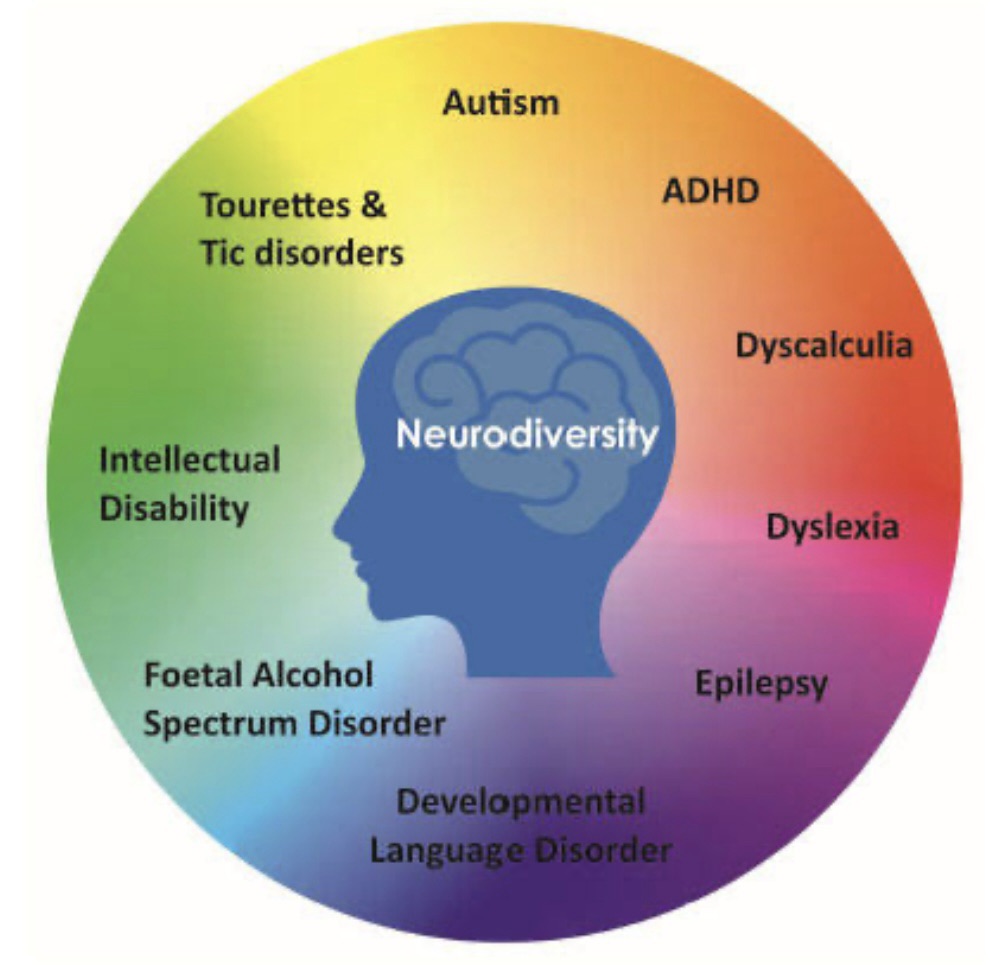
Neurodiversity encompasses the idea that neurological differences should be recognized and respected just like any other form of human diversity. It rejects the notion that there is a single “normal” or “typical” brain and instead emphasizes the spectrum of neurodevelopmental variations present in the population.
2. Types and Explanations of Neurodiversity:
- Autism Spectrum Disorder (ASD): ASD is characterized by challenges in social communication and interaction, as well as restricted interests and repetitive behaviors. However, individuals with ASD often possess unique strengths such as attention to detail and exceptional memory.
- Attention Deficit Hyperactivity Disorder (ADHD): ADHD involves difficulties with attention, hyperactivity, and impulsivity. While these traits can pose challenges in certain environments, individuals with ADHD may excel in tasks that require creativity and rapid problem-solving.
- Dyslexia: Dyslexia is a learning disorder that affects reading, spelling, and writing skills. It is not indicative of low intelligence but rather differences in the way the brain processes language.
- Dyspraxia: Dyspraxia, also known as developmental coordination disorder, affects motor coordination and can impact daily activities such as writing, tying shoelaces, or participating in sports.
- Tourette Syndrome: Tourette Syndrome involves involuntary movements and vocalizations known as tics. Despite these challenges, individuals with Tourette Syndrome often exhibit creativity and resilience.
3. Social Bias in Neurodiversity:
- Stigma: Neurodiverse individuals frequently face stigma and discrimination due to misunderstandings about their conditions. This can lead to feelings of isolation and low self-esteem.
- Stereotypes: Misconceptions about neurodivergence perpetuate harmful stereotypes, portraying individuals as incompetent or burdensome.
- Accessibility: Many societal structures and environments are not designed with neurodiverse needs in mind, leading to barriers in education, employment, and social participation.
4. Supports Out in the Community for Neurodiverse Individuals:
- Education: Schools can provide accommodations such as extra time on exams, assistive technology, and specialized instruction to support neurodiverse students.
- Workplace accommodations: Employers can implement flexible work arrangements, sensory-friendly environments, and job coaching to create inclusive workplaces.
- Community organizations: Nonprofits and advocacy groups offer resources, support groups, and community events to connect neurodiverse individuals and their families.
- Mental health services: Accessible mental health services are crucial for addressing co-occurring conditions and providing therapeutic support.
Neurodiversity is a fundamental aspect of human diversity that enriches our society with unique perspectives, talents, and experiences. By fostering understanding, acceptance, and support for neurodiverse individuals, we can create a more inclusive world where everyone has the opportunity to thrive regardless of their neurological differences. Embracing neurodiversity is not only a moral imperative but also a pathway to innovation, creativity, and social progress. Let us continue to champion diversity in all its forms and build a society where every individual is valued and respected.
 The Veteran Counsellor Blog