Coercive control, though often overshadowed by more visible forms of abuse, leaves deep scars on the psyche of its victims. This insidious pattern of behavior, characterized by manipulation, intimidation, and domination, inflicts profound harm on mental health. In this comprehensive exploration, we delve into the intricate dynamics of coercive control and its devastating effects on the well-being of individuals ensnared in its grasp.
Definition and Dynamics:
- Coercive control is a systematic pattern of behavior employed by one partner to assert dominance and control over the other within an intimate relationship.
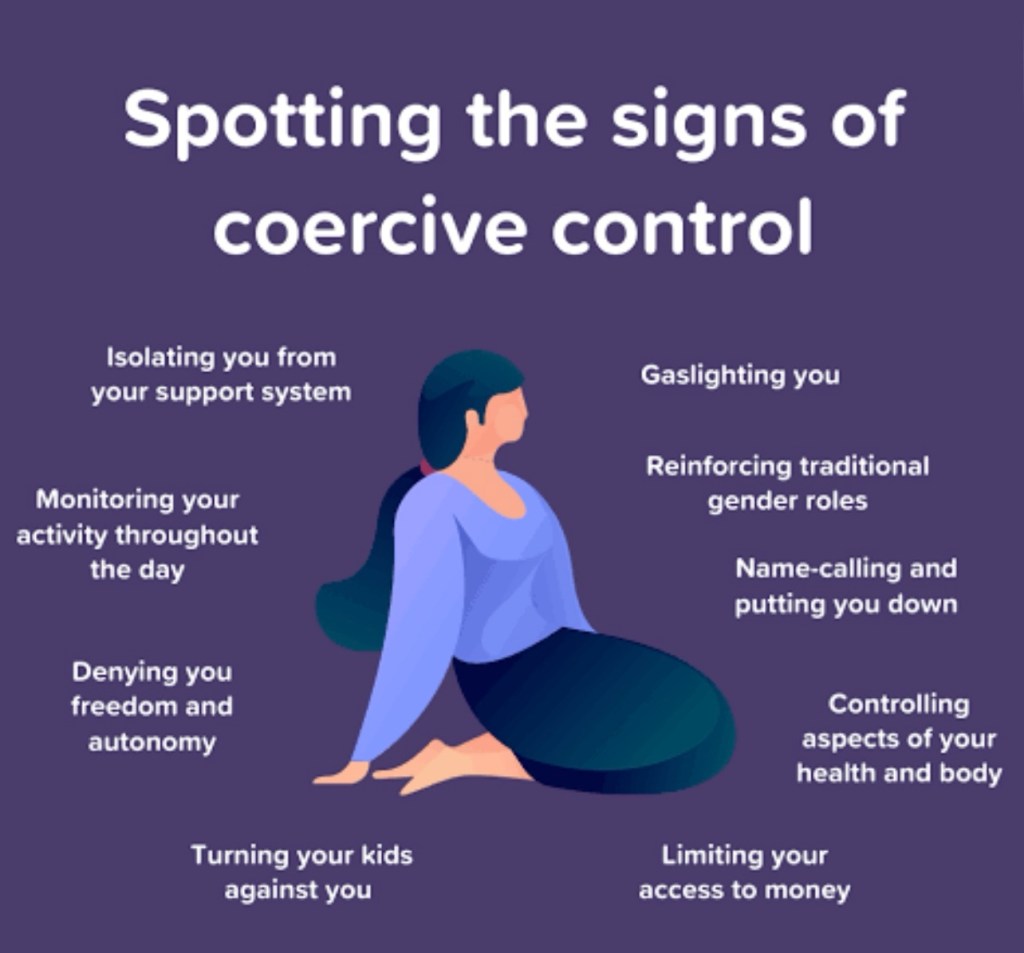
- Tactics of coercive control include isolation, surveillance, gaslighting, economic abuse, and emotional manipulation.
- The perpetrator gradually undermines the victim’s autonomy, sense of self-worth, and independence, fostering a climate of fear and dependency.
Psychological Impact:
- Anxiety and Depression: The relentless psychological torment inflicted by coercive control cultivates a pervasive sense of fear, anxiety, and despair. Victims live in constant anticipation of the next outburst or act of manipulation, leading to chronic stress and heightened vulnerability to mood disorders.
- Post-Traumatic Stress Disorder (PTSD): Exposure to coercive control can result in symptoms reminiscent of PTSD, including intrusive memories, hypervigilance, emotional numbing, and avoidance behavior. The trauma inflicted by the perpetrator leaves lasting emotional scars, disrupting the victim’s sense of safety and stability.
- Complex Trauma: Coercive control engenders a complex form of trauma characterized by the cumulative impact of sustained abuse. Victims may struggle with emotional dysregulation, disordered attachment, and a fragmented sense of self, hindering their ability to form healthy relationships and navigate daily life.
Cognitive Effects:
- Gaslighting: Gaslighting is a hallmark tactic of coercive control, wherein the perpetrator systematically undermines the victim’s reality, memory, and perception of events. By distorting the truth and manipulating narratives, the perpetrator erodes the victim’s confidence and fosters a sense of self-doubt and confusion.
- Cognitive Dissonance: Victims of coercive control often grapple with cognitive dissonance as they reconcile the contradictory aspects of their relationship. Despite enduring abuse, they may cling to moments of affection or kindness from the perpetrator, further entrenching feelings of guilt and self-blame.
Social and Interpersonal Consequences:
- Social Isolation: Coercive control thrives in environments of isolation, as the perpetrator seeks to sever the victim’s ties to external support systems. By restricting access to friends, family, and resources, the perpetrator maintains control over the victim’s social network and exacerbates their sense of dependency.
- Deterioration of Relationships: The corrosive effects of coercive control extend beyond the primary relationship, undermining the victim’s connections with loved ones and support networks. Friends and family members may struggle to understand the complexities of the abusive dynamic, leading to strained relationships and feelings of alienation for the victim.
Coercive control exacts a heavy toll on the mental health and well-being of its victims, leaving them traumatized, isolated, and vulnerable. By shedding light on the intricate mechanisms of coercive control and its psychological ramifications, we can foster greater awareness, empathy, and support for those impacted by this pervasive form of abuse. It is imperative to provide resources, intervention strategies, and avenues for healing to empower survivors to reclaim their agency, rebuild their lives, and cultivate resilience in the face of adversity.
 The Veteran Counsellor Blog