Introduction:
Living as a military veteran comes with a unique set of challenges, and one of the most prevalent is Post-Traumatic Stress Disorder (PTSD). This blog aims to explore the impact of PTSD on veterans, shedding light on the experiences they face, while delving into evidence and research that offer insights into effective coping mechanisms and support systems.
Defining PTSD:
Post-Traumatic Stress Disorder is a mental health condition that can develop after experiencing or witnessing a traumatic event. For military veterans, exposure to combat, loss, and high-stress situations can contribute to the development of PTSD. According to research, a significant percentage of veterans grapple with this condition, affecting their daily lives and overall well-being.
Symptoms and Challenges:
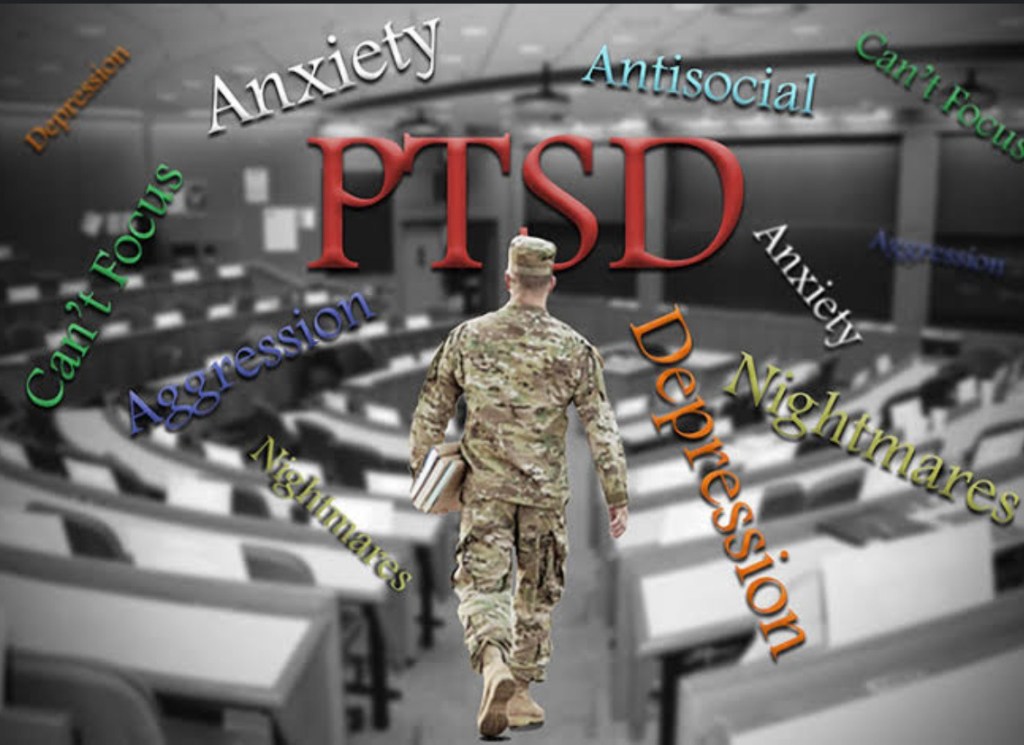
Research shows that PTSD symptoms among veterans can manifest in various ways, including intrusive thoughts, nightmares, hyperarousal, and emotional numbing. These symptoms can significantly impact their ability to adjust to civilian life, maintain relationships, and pursue employment opportunities. Understanding these challenges is crucial in developing effective strategies for support.
Evidence-Based Therapies:
Several evidence-based therapies have proven successful in treating PTSD among military veterans. Cognitive-behavioral therapy (CBT), exposure therapy, and eye movement desensitization and reprocessing (EMDR) have shown positive results. Integrative approaches, combining therapy with medication when necessary, have become increasingly common in providing comprehensive care.
The Role of Support Systems:
Social support plays a vital role in the well-being of veterans with PTSD. Research indicates that a strong support system, including family, friends, and fellow veterans, can contribute significantly to the recovery process. Building understanding and empathy within communities is essential to destigmatize mental health issues among veterans.
Challenges in Accessing Care:
Despite the availability of effective treatments, veterans often face barriers in accessing mental health care. Long wait times, stigma, and logistical challenges can hinder timely intervention. Increased awareness, improved mental health resources within the military, and community initiatives are essential in overcoming these obstacles.
Transitioning to Civilian Life:
The transition from military to civilian life is a pivotal period for veterans. Research suggests that a structured and supportive transition process can mitigate the impact of PTSD. Employment programs, educational opportunities, and mental health resources tailored to veterans can facilitate a smoother reintegration into civilian society.
Conclusion:
Living with PTSD as a military veteran is a complex journey, but understanding the challenges and evidence-based interventions can pave the way for a brighter future. By fostering awareness, providing support, and dismantling barriers to care, we can collectively work towards improving the lives of those who have sacrificed so much in service to their country.
 The Veteran Counsellor Blog