Definition:
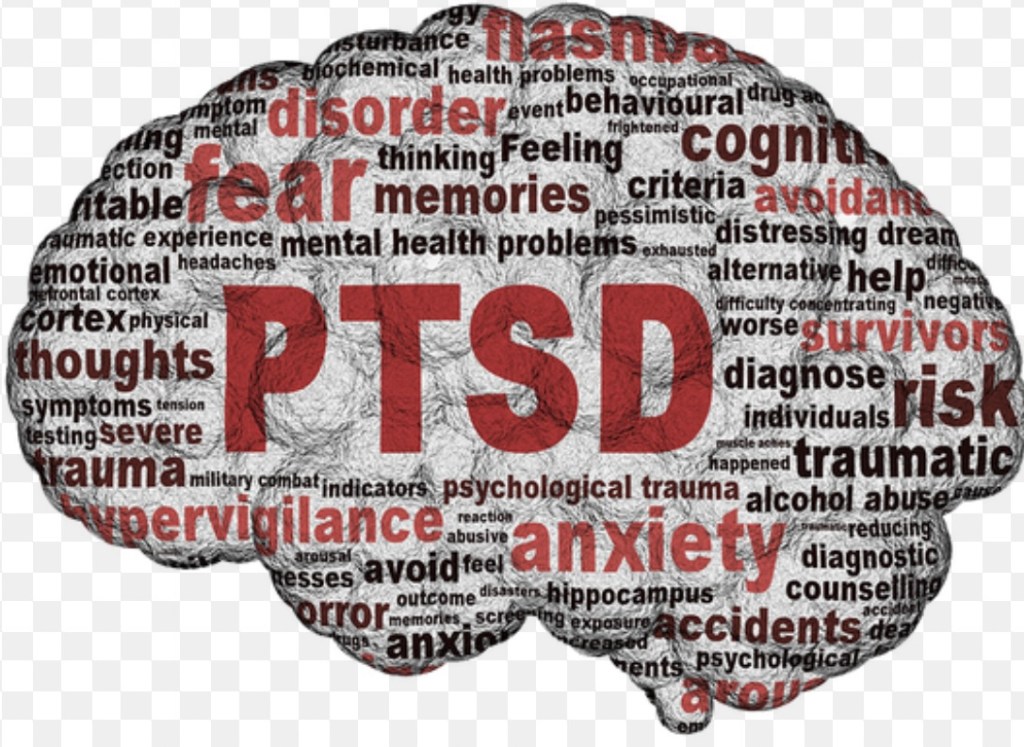
Post-traumatic stress disorder (PTSD) is a psychiatric condition that may occur in individuals who have experienced or witnessed a traumatic event. Trauma can range from personal assaults and accidents to natural disasters or military combat. The key characteristic of PTSD is the persistence of distressing symptoms that significantly affect daily functioning.
Causes:
PTSD can arise from a variety of traumatic experiences, each triggering a unique set of challenges. Common causes include:
- Combat Exposure: Military personnel exposed to combat situations often face the risk of developing PTSD due to the intense and prolonged nature of these experiences.
- Violent Assaults: Survivors of physical or sexual assault may grapple with the aftermath, leading to the development of PTSD symptoms.
- Accidents: Serious accidents resulting in life-threatening situations or severe injuries can contribute to the development of PTSD.
- Natural Disasters: Individuals who have lived through earthquakes, hurricanes, or other natural disasters may experience PTSD, often exacerbated by loss and destruction.
- Childhood Trauma: Early-life trauma, such as abuse or neglect, can have long-lasting effects and increase the risk of developing PTSD later in life.
- Medical Trauma: Patients who undergo traumatic medical procedures or face life-threatening illnesses may also be susceptible to PTSD.
Understanding these varied causes highlights the complexity of PTSD and the diverse range of individuals who may be affected.
Types:
PTSD symptoms can manifest in various ways, leading to the identification of different types:
- Acute Stress Disorder (ASD): This type occurs within the first month after a trauma and may resolve on its own or develop into chronic PTSD.
- Uncomplicated PTSD: Individuals with this type experience symptoms related to the traumatic event but do not have additional mental health conditions.
- Comorbid PTSD: This involves the coexistence of PTSD with other mental health disorders, such as depression, anxiety, or substance abuse.
- Complex PTSD: Resulting from prolonged exposure to trauma, this type is often associated with childhood abuse or neglect and may involve difficulties in emotional regulation and forming relationships.
Understanding the types helps tailor treatment approaches to the specific needs of individuals.
Treatments:
Effective treatments for PTSD encompass a range of therapeutic and medical interventions:
- Psychotherapy: Cognitive-behavioral therapy (CBT) is a common approach, helping individuals process and manage traumatic memories, alter negative thought patterns, and develop coping strategies.
- Medications: Antidepressants and anti-anxiety medications may be prescribed to alleviate symptoms such as depression, anxiety, and insomnia.
- Eye Movement Desensitization and Reprocessing (EMDR): This therapy involves guided eye movements to help process traumatic memories and reduce distress.
- Group Therapy: Sharing experiences with others who have faced similar traumas can provide a sense of connection and support.
- Mindfulness and Relaxation Techniques: Practices like meditation and deep breathing can help manage stress and promote emotional well-being.
- Family Therapy: Involving family members in the therapeutic process can enhance understanding and support for individuals with PTSD.
Tailoring treatment plans to individual needs and addressing the specific challenges associated with different types of PTSD is crucial for successful recovery.
In conclusion, PTSD is a complex mental health condition influenced by diverse factors. Recognizing its definition, causes, types, and available treatments is essential for fostering understanding, empathy, and effective support for those grappling with the impact of trauma.
 The Veteran Counsellor Blog