People often avoid seeking help for mental illness due to a complex interplay of factors. One significant barrier is the pervasive stigma surrounding mental health. Society has historically misunderstood and stigmatized mental illnesses, contributing to a culture of silence and shame. This stigma creates an environment where individuals may fear judgment, discrimination, or social isolation if they disclose their struggles.
Moreover, misconceptions about mental health perpetuate the idea that seeking help is a sign of weakness or inadequacy. This perceived weakness can lead to reluctance in admitting one’s struggles, even to themselves. The societal expectation to project strength and resilience may deter individuals from acknowledging the need for mental health support.
Another crucial factor is a lack of awareness or understanding of mental health issues. Some people may not recognize the symptoms of mental illnesses or underestimate their impact on daily functioning. This lack of awareness can delay help-seeking behaviors, as individuals may not connect their emotional struggles to potential mental health concerns.
Furthermore, systemic barriers such as limited access to mental health resources, affordability issues, and inadequate healthcare infrastructure can hinder people from seeking help. Even if individuals recognize the need for support, these practical challenges can create insurmountable obstacles, particularly for marginalized or underserved communities.
Fear of the unknown and the uncertainty surrounding mental health treatment also play a role. Individuals may worry about the effectiveness of interventions, potential side effects of medications, or the stigma associated with therapy. This fear of the unfamiliar can be a powerful deterrent, preventing individuals from taking the crucial step of reaching out for help.
Additionally, the internalization of societal norms and cultural expectations can influence how individuals perceive their own mental health. In cultures that emphasize self-reliance and resilience, admitting vulnerability may be particularly challenging. The fear of disappointing others or not meeting societal expectations can contribute to a reluctance to seek mental health support.
Personal experiences, including past negative encounters with mental health professionals or unsupportive social networks, can also impact help-seeking behavior. Traumatic or dismissive experiences may create a sense of mistrust, making individuals hesitant to reach out again.
Moreover, the fluctuating nature of mental health symptoms can create a sense of ambiguity. Individuals may convince themselves that their struggles are temporary or not severe enough to warrant professional intervention. This minimization of their own experiences can delay seeking help until the situation reaches a critical point.
Addressing these barriers requires a multifaceted approach. Fostering open conversations about mental health, challenging stigma through education, and promoting cultural competence within the healthcare system are crucial steps. Improving access to affordable and quality mental health services, as well as normalizing help-seeking behaviors, can contribute to breaking down the barriers that prevent individuals from reaching out for mental health support.
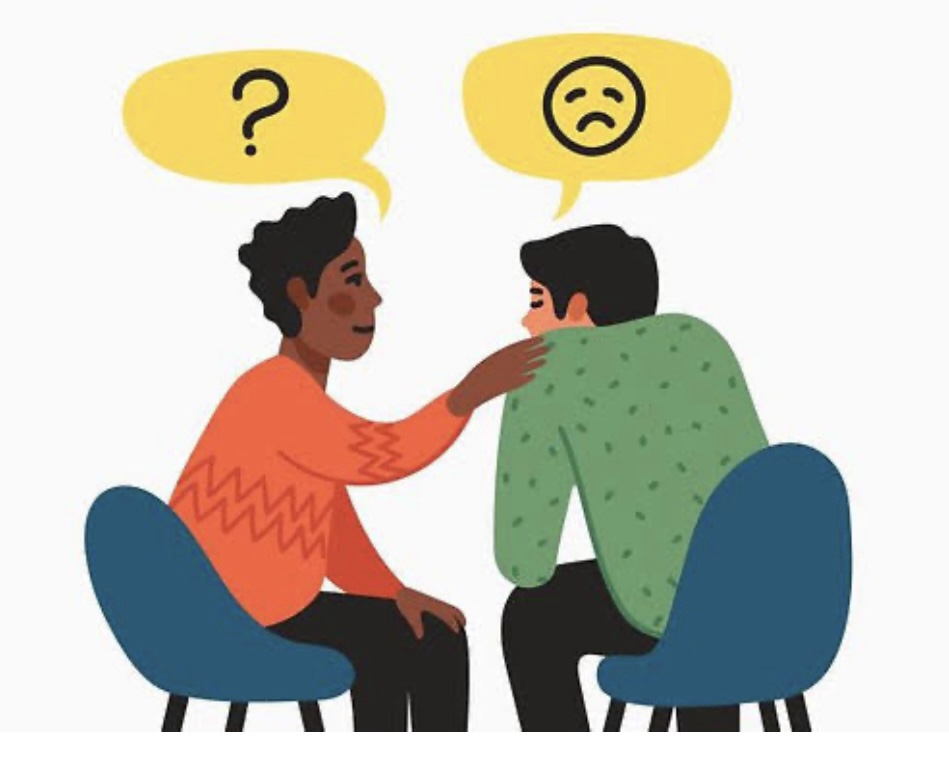
10 ways to approach a “Are you Ok” conversation
- Choose the Right Time and Place: Find a quiet and private space where both of you can talk without distractions. Timing matters; ensure it’s a moment when you can have an uninterrupted conversation.
- Express Genuine Concern: Start the conversation by expressing your genuine concern for the person. Use empathetic language to convey that you’ve noticed changes and are there to support them.
- Be a Good Listener: Allow the person to express themselves without interruption. Listen actively, nod, and provide verbal cues to show that you are engaged and attentive.
- Use Open-Ended Questions: Encourage the person to share more by asking open-ended questions. Instead of yes/no questions, ask things like, “How have you been feeling lately?” or “Can you tell me more about what’s been going on?”
- Avoid Judgment: Ensure that your tone is non-judgmental and understanding. Avoid making assumptions and be open to hearing their perspective without criticism.
- Share Your Concerns Observationally: Frame your concerns based on observable behaviors rather than assumptions. For example, say, “I’ve noticed you’ve seemed more withdrawn lately,” rather than assuming a specific cause.
- Use “I” Statements: Express your feelings and observations using “I” statements to avoid sounding accusatory. For instance, say, “I’ve noticed changes, and I’m worried about you,” instead of saying, “You’ve been acting differently.”
- Offer Specific Support: Ask how you can support them and be specific about your willingness to help. Whether it’s offering to listen, assisting with tasks, or accompanying them to seek professional help, let them know you’re there.
- Be Patient: Recognize that the person may need time to open up. Be patient and don’t push for information if they’re not ready to share. Reassure them that you’re available whenever they’re ready to talk.
- Encourage Professional Help: If the person is struggling significantly, encourage them to seek professional help. Offer to assist in finding resources or accompany them to appointments. Emphasize that reaching out to a mental health professional is a sign of strength.
Approaching a “Are you OK?” conversation with sensitivity, empathy, and a genuine desire to support can make a significant difference in someone’s life.
 The Veteran Counsellor Blog