Attention Deficit Hyperactivity Disorder (ADHD) is a neurodevelopmental disorder that affects both children and adults. It is characterized by persistent patterns of inattention, hyperactivity, and impulsivity that can significantly impact daily functioning. To comprehend the complexities of ADHD, let’s delve into its definitions and explore the effects it has on individuals.
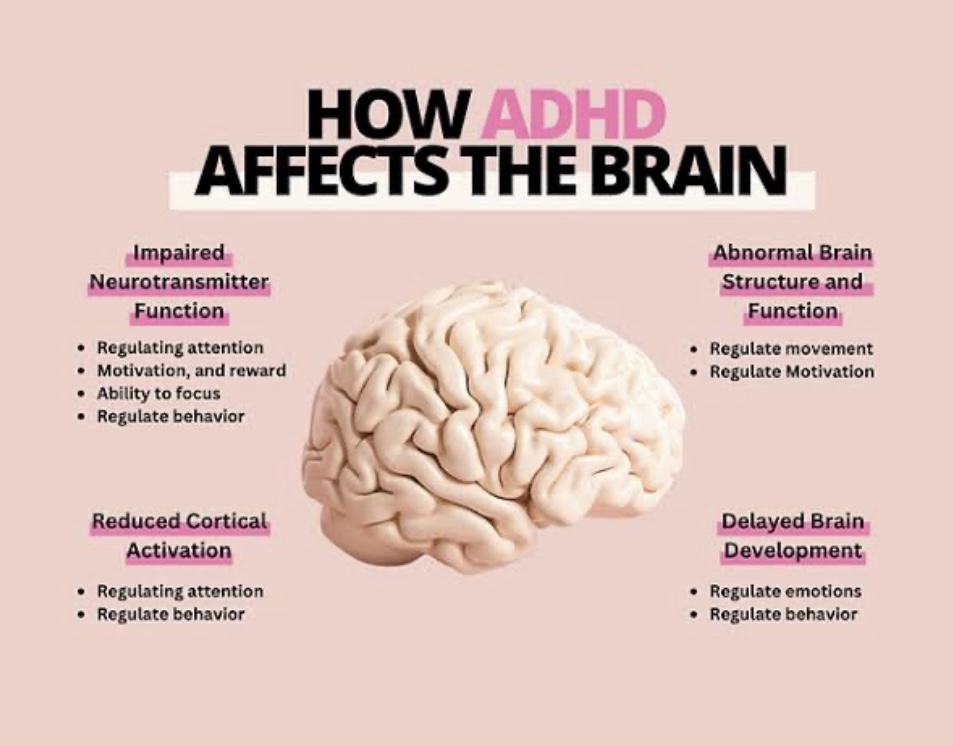
Defining ADHD:
ADHD is typically categorised into three subtypes based on predominant symptoms:
- Predominantly Inattentive Presentation: Individuals with this subtype often struggle with sustained attention, tend to make careless mistakes, and are easily distracted. They may have difficulty organizing tasks and often forget daily activities.
- Predominantly Hyperactive-Impulsive Presentation: This subtype involves excessive fidgeting, restlessness, impulsive decision-making, and difficulty waiting for one’s turn. Individuals may interrupt others frequently and struggle with impulse control.
- Combined Presentation: This is a combination of inattentive, hyperactive, and impulsive symptoms, representing a more comprehensive manifestation of ADHD.
Effects of ADHD:
- Academic Challenges: Children with ADHD often face academic difficulties due to their inattention and impulsivity. They may struggle with completing assignments, following instructions, and maintaining focus in class.
- Social and Relationship Issues: The impulsivity associated with ADHD can lead to challenges in social interactions. Individuals may interrupt others, struggle to wait their turn, and face difficulties in maintaining friendships.
- Emotional Dysregulation: ADHD is linked to emotional dysregulation, making it challenging for individuals to manage their emotions effectively. Mood swings, frustration, and impatience are common.
- Employment Struggles: Adults with ADHD may encounter challenges in the workplace, including difficulties with time management, organization, and maintaining attention during tasks. However, some individuals with ADHD also demonstrate creativity and resilience.
- Risk of Coexisting Conditions: ADHD often coexists with other mental health conditions, such as anxiety or depression. Managing multiple conditions can pose additional challenges for affected individuals.
- Impact on Daily Functioning: The core symptoms of ADHD can affect various aspects of daily life, from household chores to self-care routines. Forgetfulness, disorganization, and difficulty initiating tasks can contribute to a sense of overwhelm.
Management and Treatment:
Managing ADHD involves a multimodal approach, often incorporating behavioral interventions, psychoeducation, and, in some cases, medication. Behavioral therapy can help individuals develop coping strategies and organizational skills, while psychoeducation provides valuable insights into the nature of ADHD.
Medications, such as stimulants or non-stimulants, may be prescribed to address specific symptoms. However, it’s crucial to note that medication is not a one-size-fits-all solution, and its effectiveness varies among individuals.
Conclusion:
ADHD is a multifaceted disorder with wide-ranging effects on individuals’ lives. Understanding its definitions and the diverse ways it manifests is essential for fostering empathy and support. While there is no cure for ADHD, effective management strategies can significantly improve the quality of life for those affected. Emphasizing early intervention, personalized treatment plans, and a holistic approach to well-being are crucial steps in addressing the challenges posed by ADHD.
 The Veteran Counsellor Blog